How Cast Iron Drain Leaks Differ From Supply-Line Slab Leaks
It is vital for homeowners to understand the operational distinction between potable water supply slab leaks and sanitary sewer drain leaks. Pressurized supply lines remain continuously energized at 50 to 70 pounds per square inch of municipal pressure; when they rupture, water sprays continuously, making the water meter spin and driving up monthly utility bills.
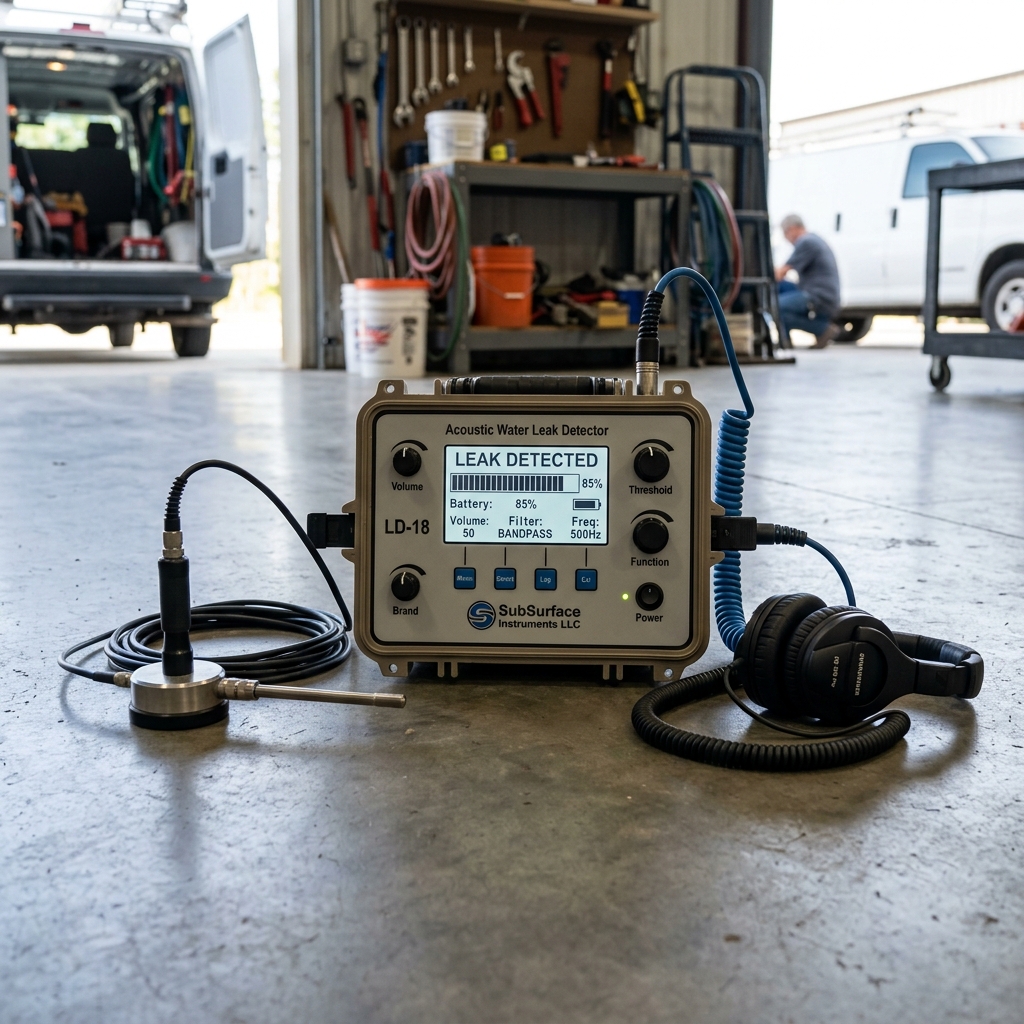
In contrast, a cast iron drain under slab Wellington residences rely upon operates entirely on gravitational slope. A cracked or rotted drain does not move the water meter and does not typically produce high-frequency acoustic hissing. Instead, wastewater leaks into the sub-base soil only when toilets flush, sinks drain, or showers run. Over months and years, this intermittent blackwater discharge saturates the sand foundation bed, washes away structural fill dirt, and creates large subsurface voids that lead to foundation cracking and floor tile dropping.
Chronic Drain Backups
Recurrent toilet backups and multiple slow-draining plumbing fixtures throughout the house indicate heavy internal rust flaking and channeling along the bottom of the pipe.
Sewer Odors & Pests
Foul sewer gas smells emanating from bathrooms or fruit flies and drain gnats breeding near baseboards signal sewer gas escaping through cracked pipes under the slab.
Hollow Floor Slabs
Floors that sound hollow when walked upon or sunken tiles near bathroom areas point to sub-slab sand erosion caused by a damaged sewer line under slab Wellington homes have.
Dealing With Frequent Sewer Backups or Odors?
Don't ignore the warning signs of deteriorated cast iron. Call our team to schedule a high-definition video camera inspection of your under-slab drain system.
Video Camera Inspection and Hydrostatic Pressure Testing
Definitive diagnosis of under-slab sanitary piping requires modern optical equipment. Our technicians insert a self-leveling optical sewer camera through the exterior plumbing cleanout. The high-definition camera transmits real-time color footage to a digital monitor, measuring exact footage distances to pipe fractures, root intrusions, scaling tubercles, and bottom channeling where the pipe floor has completely dissolved.
Following camera inspection, we perform a hydrostatic isolation test. Inflatable test balls seal off the drain line at the foundation perimeter, and the system is filled with water to floor level. If the water column recedes, hydrostatic decay proves that wastewater is leaking into the foundation soil beneath your living rooms.
Restoration Technologies: Tunneling vs. Trenching vs. Lining
Depending on the structural condition of the cast iron host pipe, three engineering approaches are available:
- Cast Iron Pipe Lining Wellington (CIPP): When the host pipe retains its round profile with localized cracks or missing bottom sections, cured-in-place pipe lining offers a complete trenchless rehabilitation. Technicians descale the pipe using high-speed mechanical chains and insert an epoxy-saturated felt tube. When cured, it forms a rock-solid, smooth-flowing structural pipe within the old pipe, requiring zero foundation demolition and lasting over 50 years.
- Sub-Slab Precision Tunneling: When complete pipe replacement with Schedule 40 PVC is necessary, excavating from outside the home under the foundation footing avoids breaking interior floors. Plumbers hand-dig three-foot-wide tunnels beneath the slab, hang new PVC drain lines with heavy-duty structural anchors to the slab bottom, and backfill with compacted soil, leaving your interior tile untouched.
- Targeted Interior Trenching: In smaller configurations or localized drain drops, short linear floor penetrations allow rapid replacement of failing p-traps and toilet closet bends.
Comprehensive Foundation Plumbing Network
If you suspect an active leak but are uncertain whether it stems from a pressurized supply line or a sanitary drain, start with a diagnostic slab leak detection evaluation. For supply line bypass alternatives, explore our slab leak reroute services. For whole-property potable plumbing modernization, visit whole-house repiping.
For complete details on our foundation work, return to slab leak repair in Wellington, or see our geographic coverage on our Wellington service areas guide.
Protect Your Foundation From Sewer Line Collapse
Aged cast iron drain failure threatens foundation stability and indoor health. Contact our Wellington cast iron drainage specialists today for immediate consultation.